We have left Uganda in the meantime, surprisingly so to Kenya (not because of Kenya, but because we thought we could never take the Cruiser into Kenya without a Carnet de Passage, a passport for the Cruiser) and it presents a good opportunity to do a bit of review of our 24 day visit to the Pearl of Africa, as Uganda calls itself.
The visit to Uganda was mainly aimed at visiting our very good friends that moved from Pretoria to Kampala in early 2019. So we asked ourselves – how is life that side? As we know now, somehow different but also quite similar. Later more on this.
However, before we headed to Uganda’s capital city Kampala, we decided to tour the country a bit. Several National Parks were on our list, such as Queen Elizabeth National Park, Bwindi Impenetrable Forest National Park, and Murchison Falls National Park.
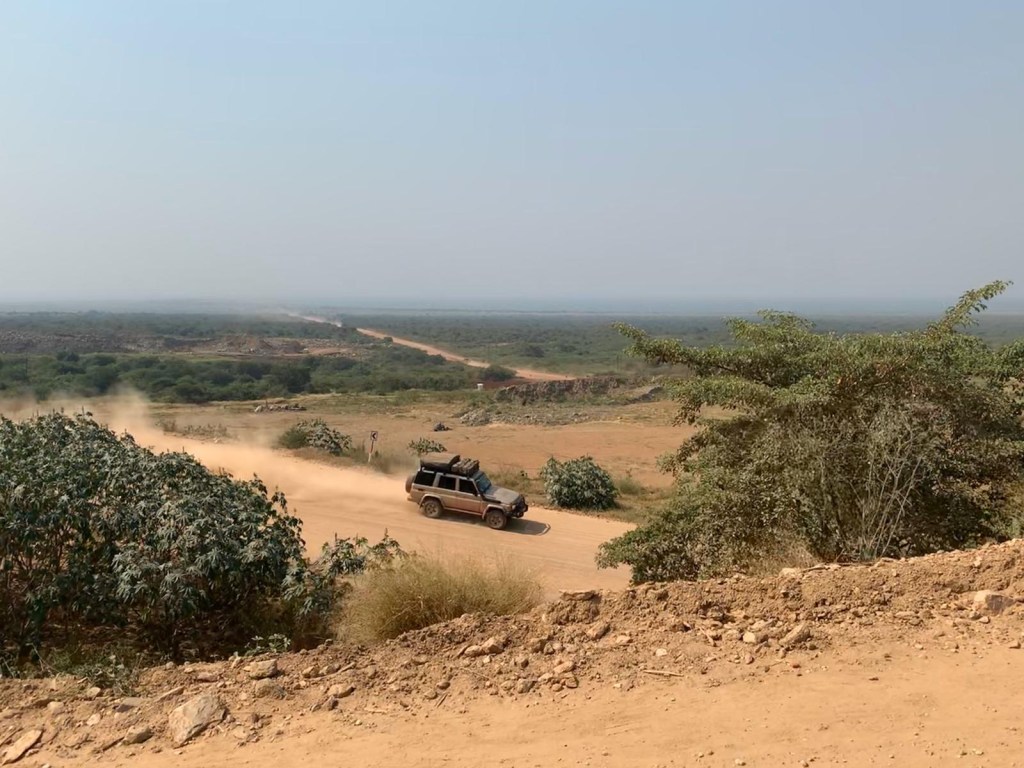
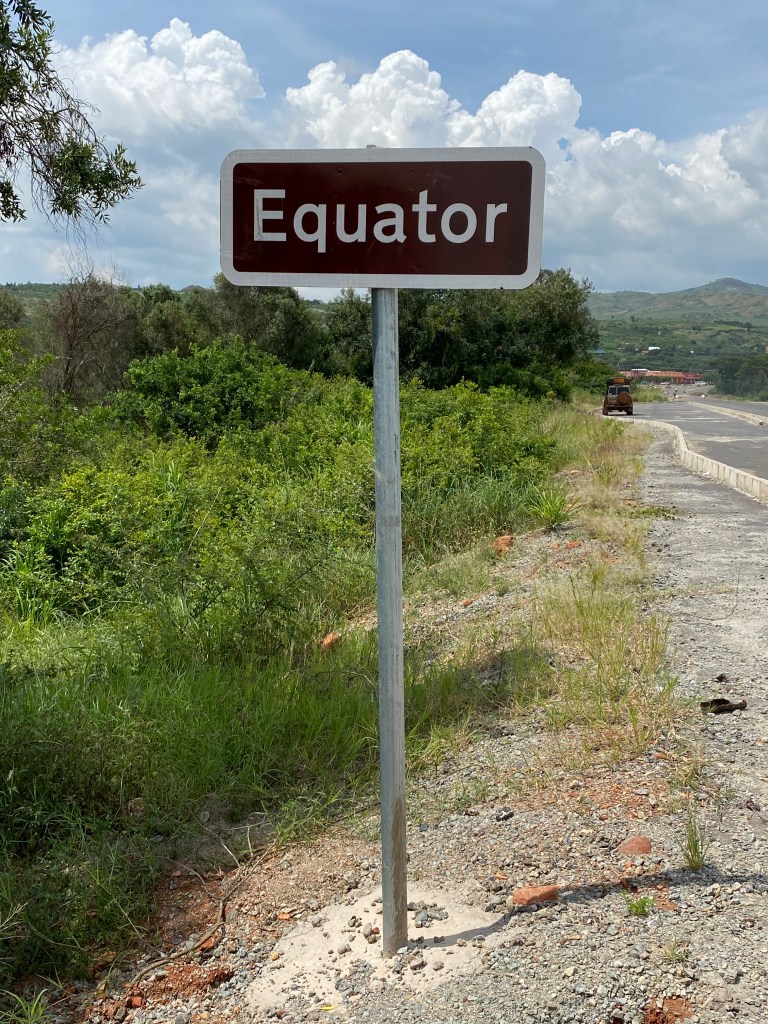
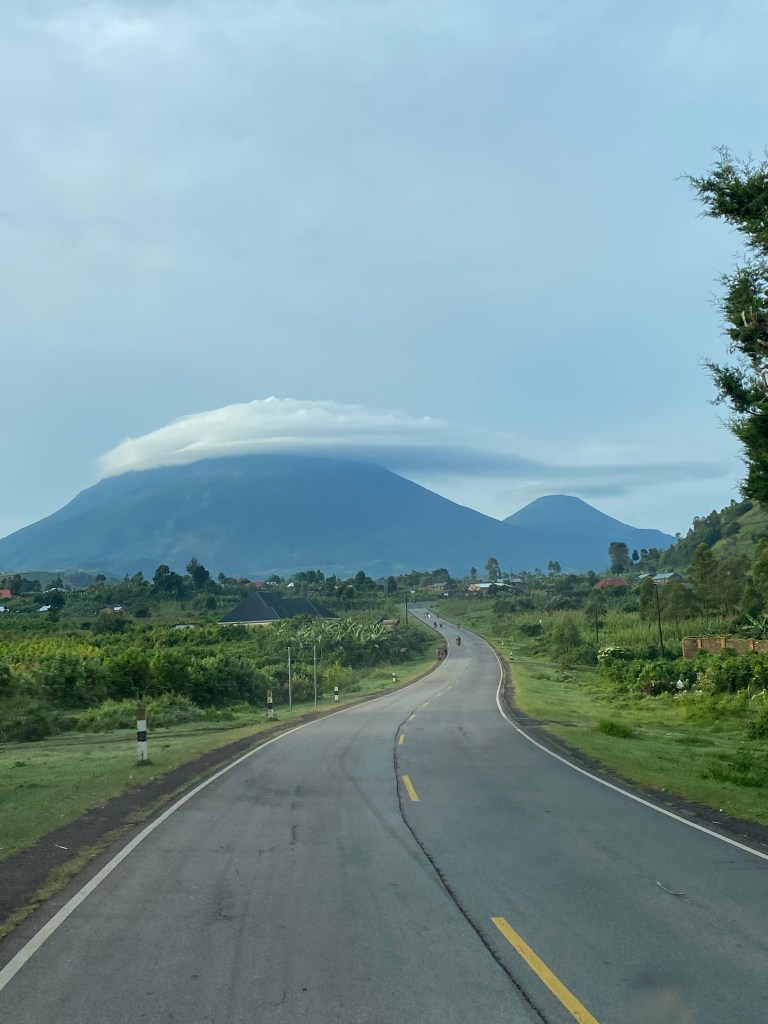
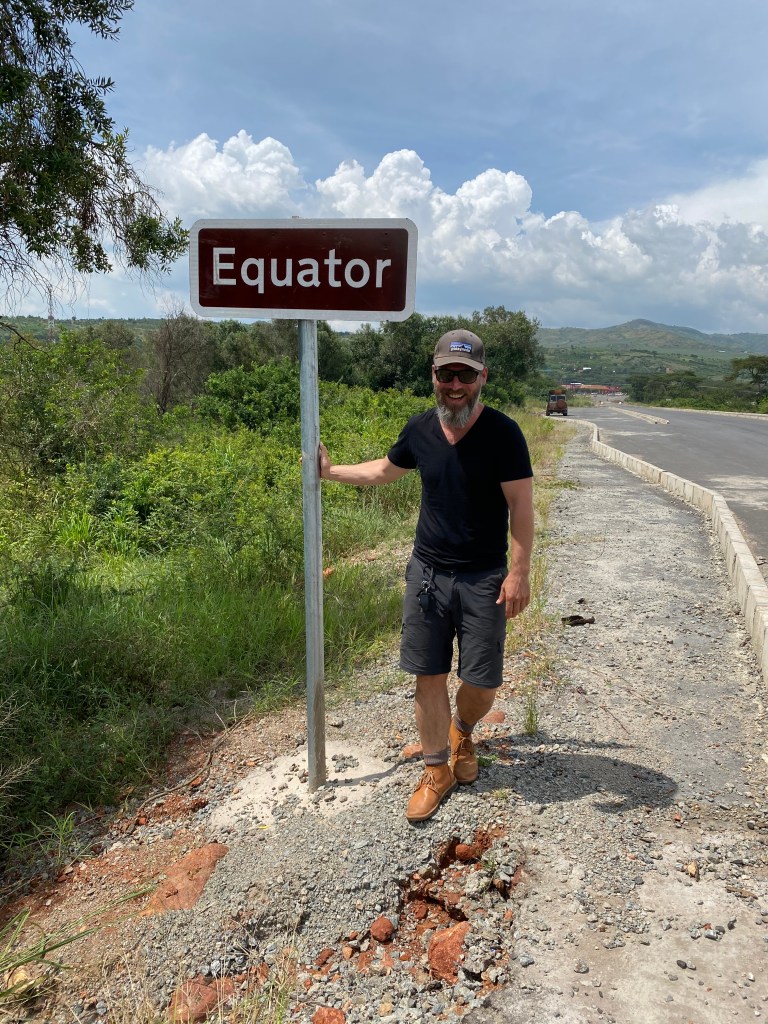
In between, we toured the roads of South Western and Western Uganda, passing lakes, maize fields and banana plantations along the way. And we passed the Equator! The „monument“ that was marked in the map turned out to be a regular sign – a bit disappointing! But anyway, we made it this far! The question again comes up: should we not try and continue further up north? Again a temptation!
Some parts of Uganda are quite fertile and agricultural production is high. But not in a commercial sense high, but only that subsistance farmers can produce the food for their families and sell a bit on the market to generate income. A normal family size in this part of the country is 10-15 children per couple. The average in Uganda is 6,4 children per woman and more than 50% of the population is younger than 15 years (numbers from Wikipedia based on 2008-2012 data).
This leaves us with the question of how this country can further develop sustainably. With this rate of population growth, we wonder how long the resources will be lasting?
Uganda is quite diverse. It has (somehow active) volcanos, a variety of landscapes, very good and very bad roads, 3G coverage in rual aras, even 4G coverage in some and in the major towns (no comparison to Berlin by the way … this is much better here!), a lot of driving schools, very very very fast overland busses, and boda bodas (motorbike taxis). Even Uber offers a boda boda in Kampala, but this means of transportation is not really safe. However, for the fun of it, they are called „Safe Boda“ 😀
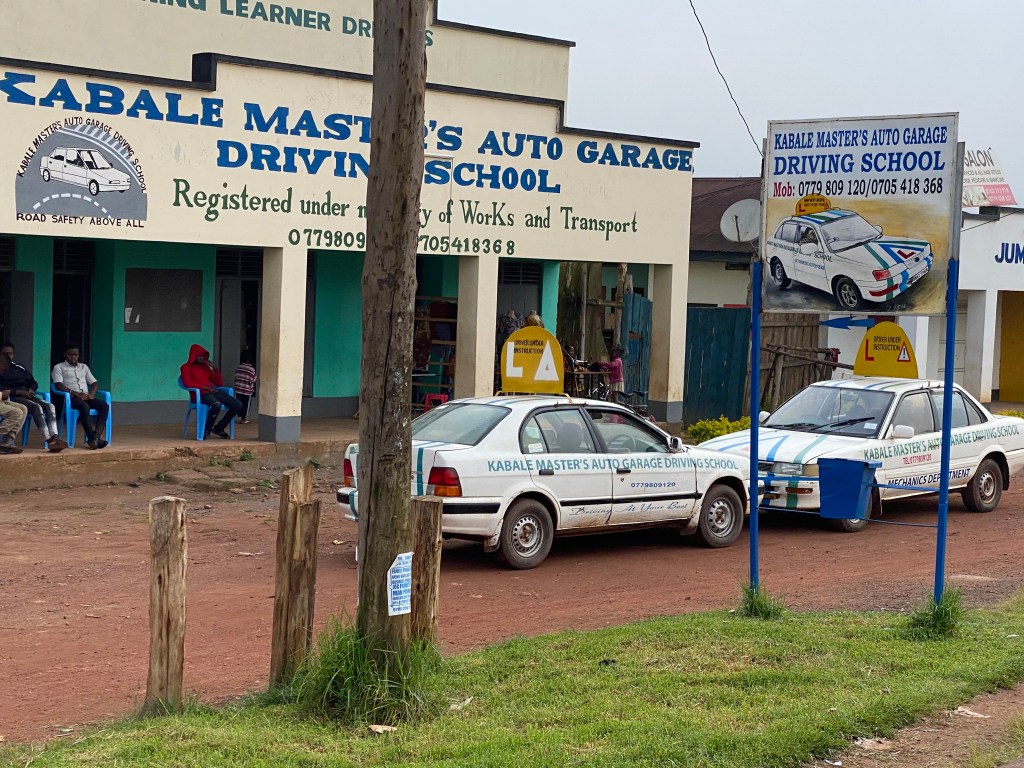
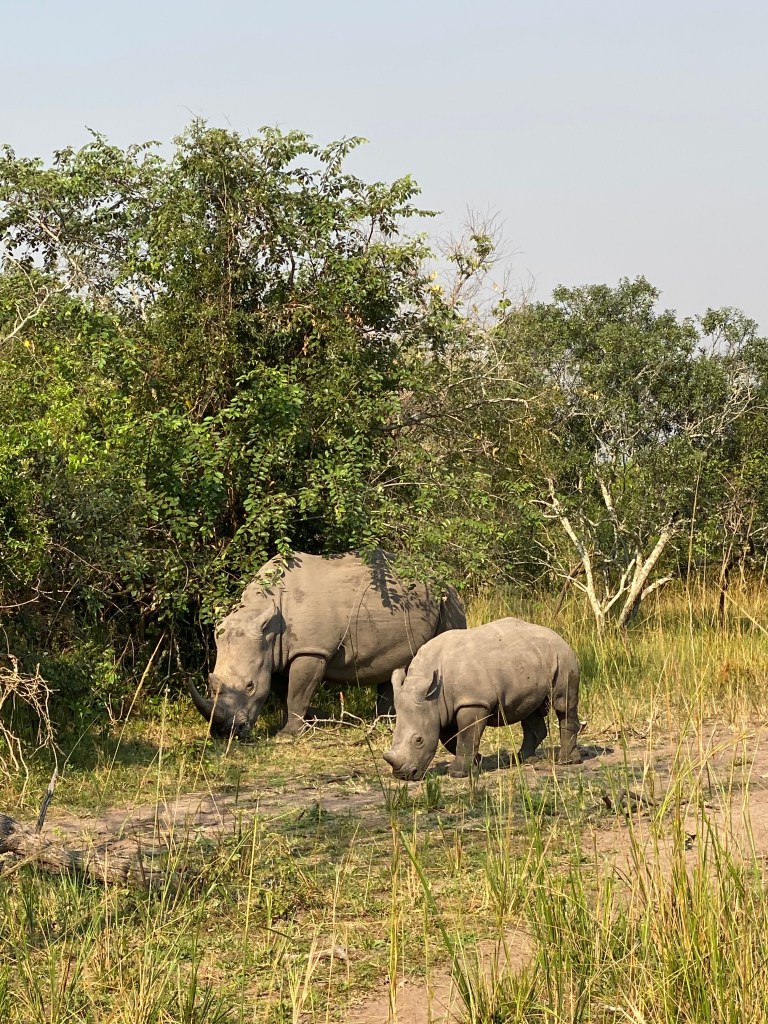
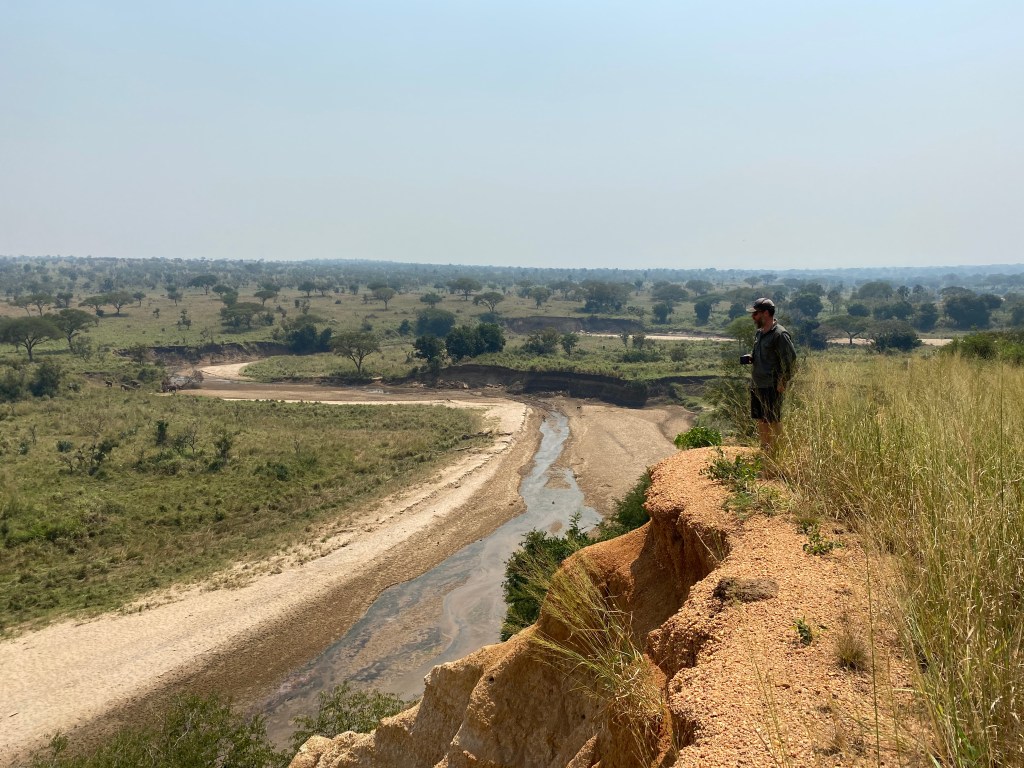
The Ugandan National Parks are far from the value for money approach in South Africa. We saw less big game or general wildlife in the parks, but more birds species for instance. However, as the 24 hour entrance rule applies, it can be really costly to visit the parks. Individual tourists with foreign number plates such as the Cruiser with the GP plate from South Africa pay for example 50 US Dollars for the car to enter the National Park (in addition to 40 USD per person). Some public park campgrounds are non-existent with no facilities at all, but we were also lucky to find really nice spots mostly outside and private.
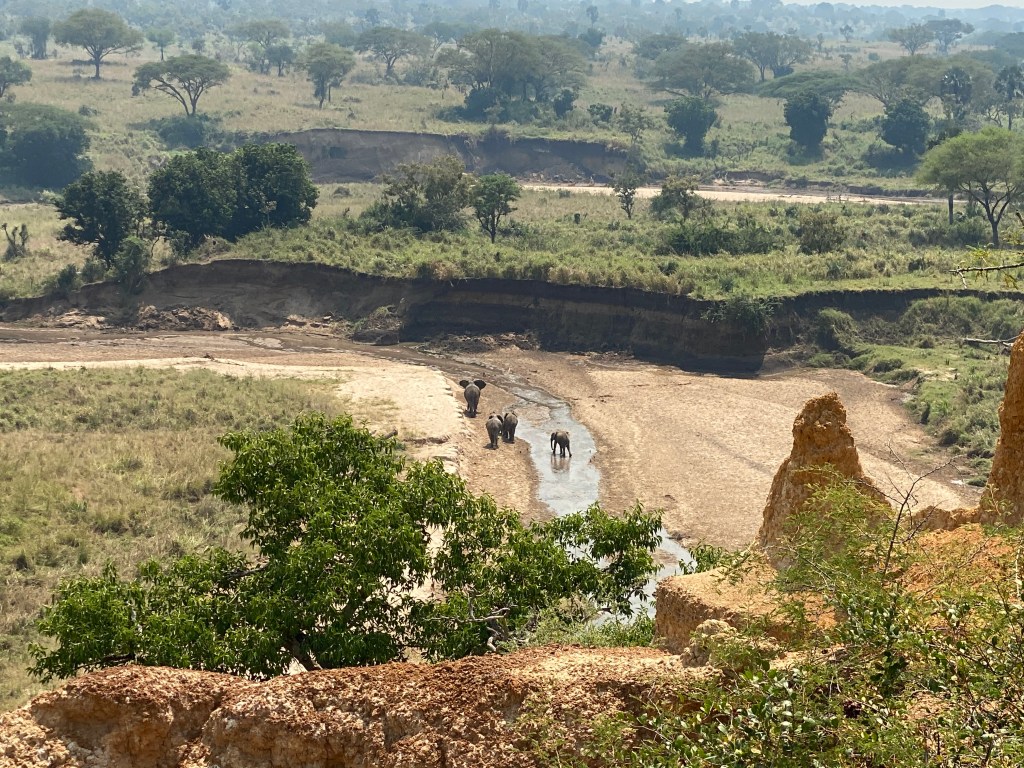
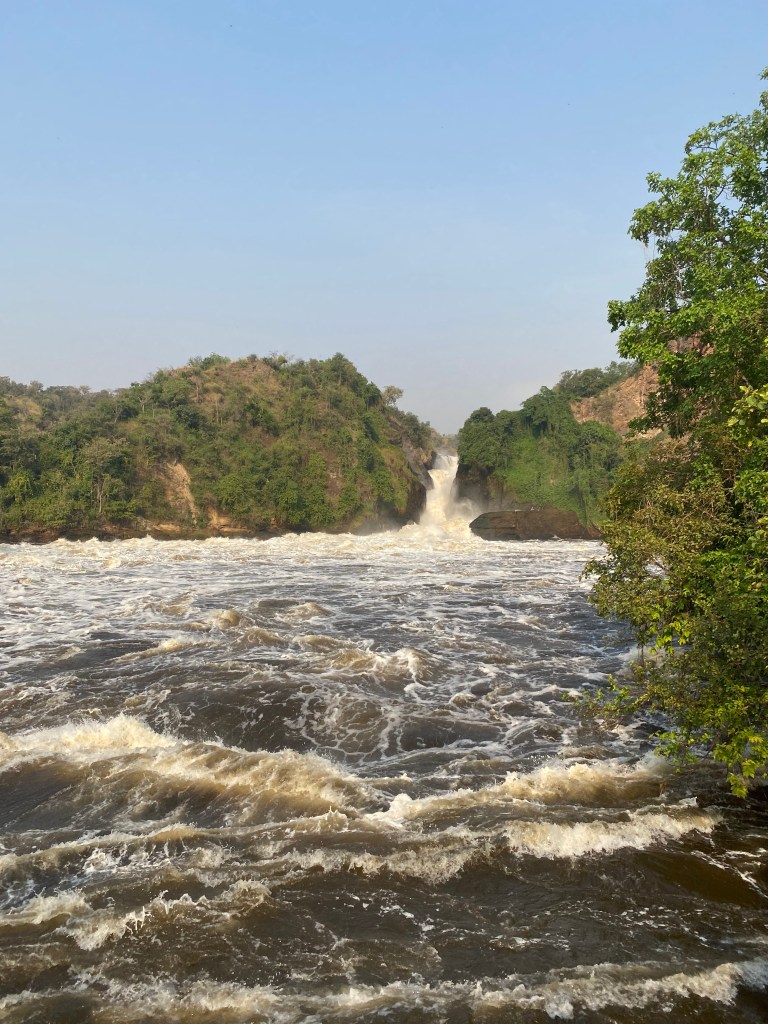
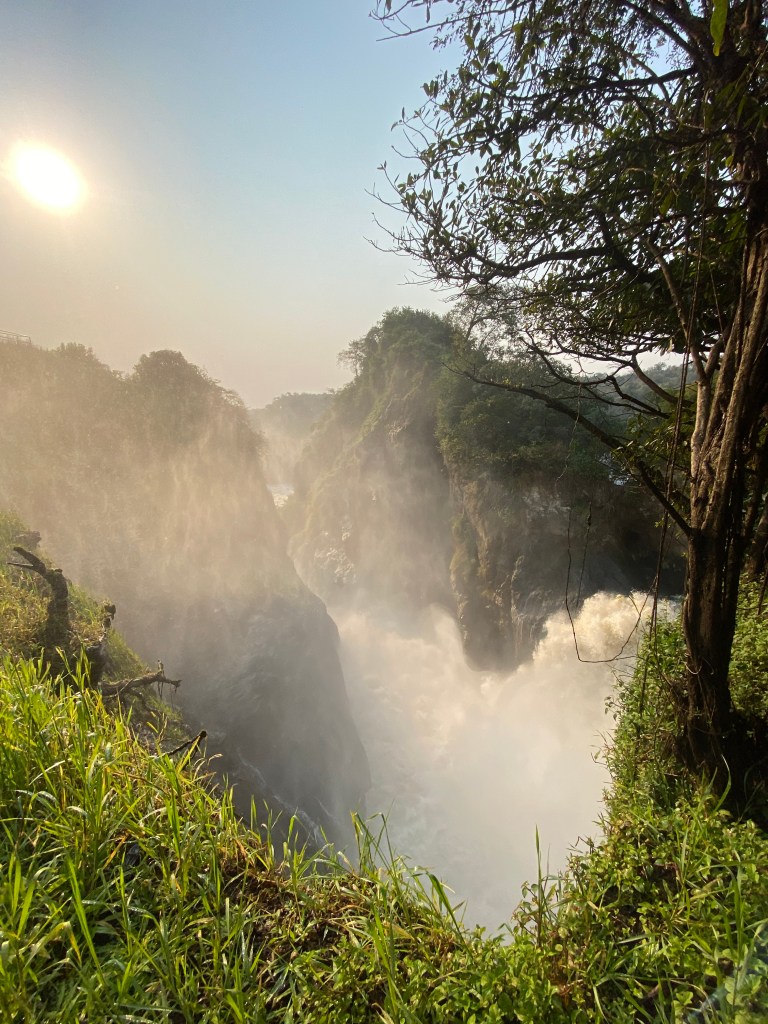
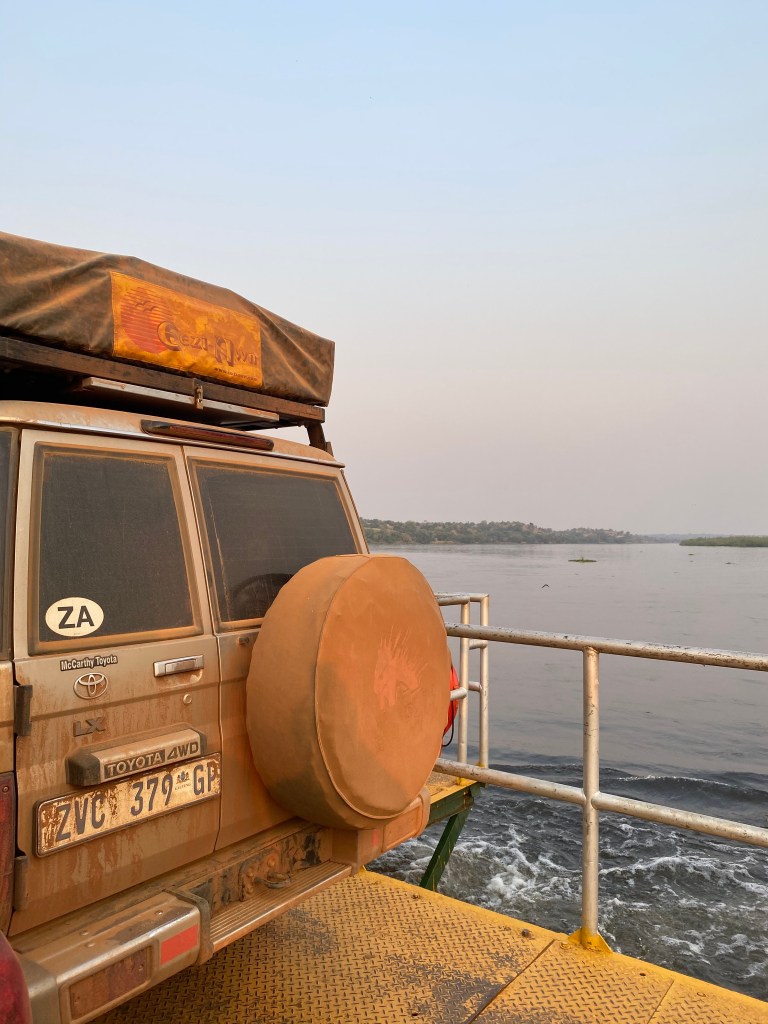
Murchison Falls National Park is already in transition, as this is the only place in Uganda where oil was found. Chinese and French companies are busy exploiting the area, with it come roads and a bridge cut straight through the park. The park then will be left with its main attraction, the very narrow and powerful Murchison Falls, but not with any wildlife we guess.
Tourists in Uganda are plenty, but mainly booked on bigger overlander tours or with smaller tour companies. 95% book a driver with their rental car, and when we got stopped at a police roadblock, we were asked why we do not have a driver, this would „ease“ things for us. Whatever that means. They could not believe that we drove all the way from South Africa …
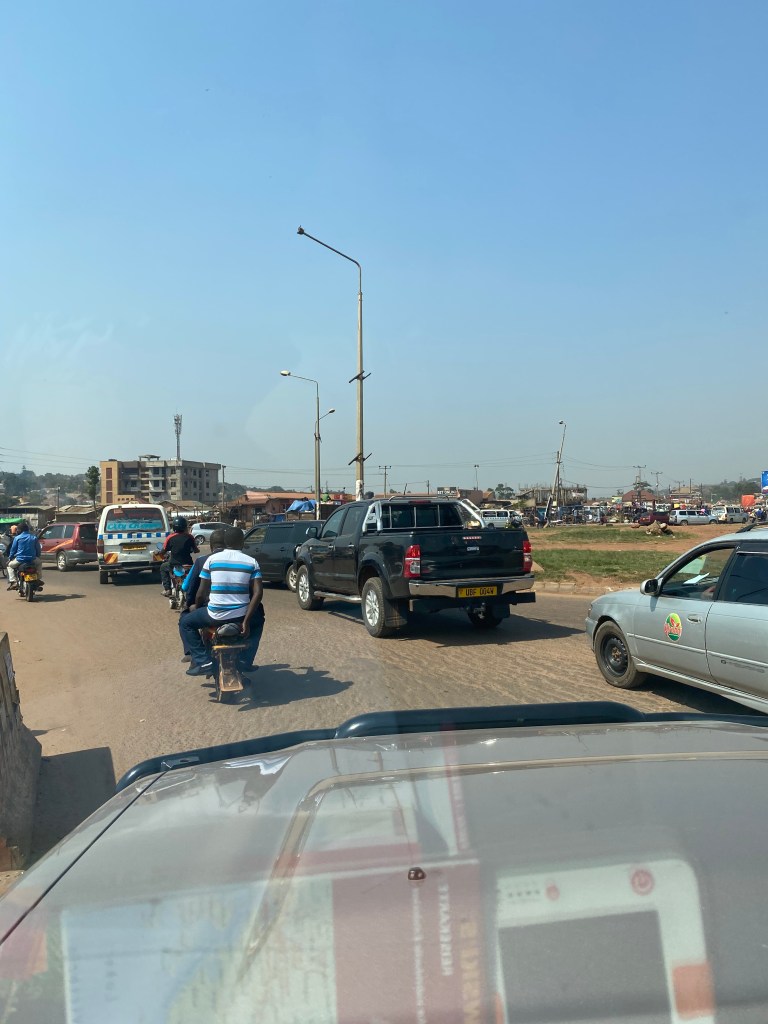
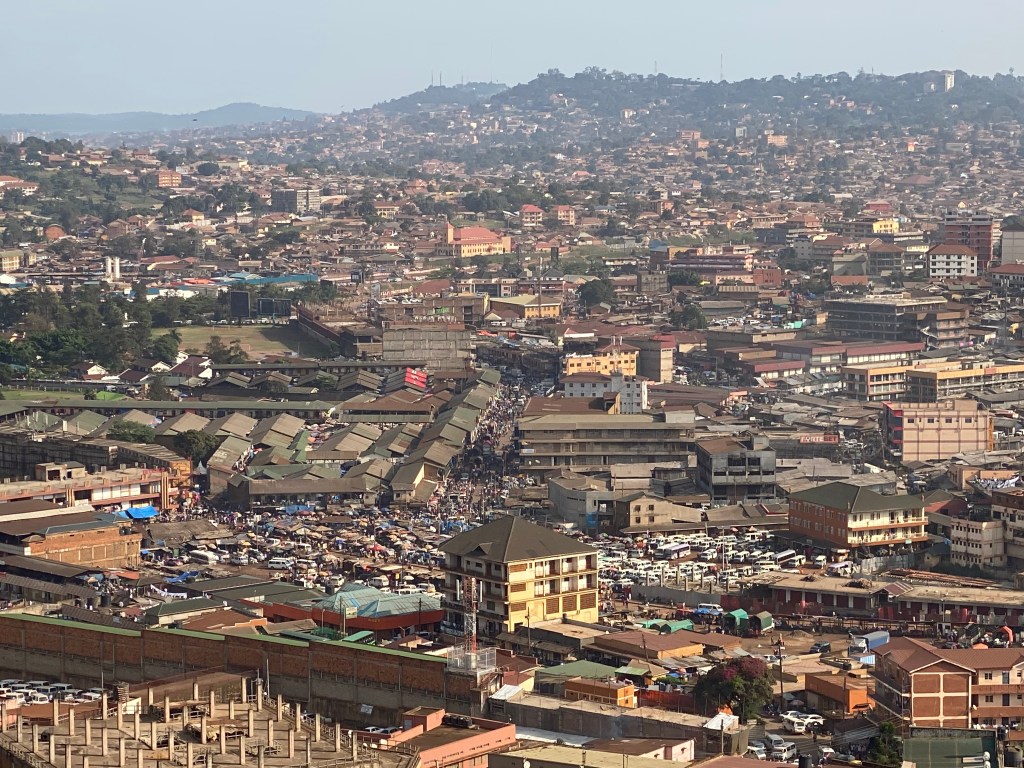
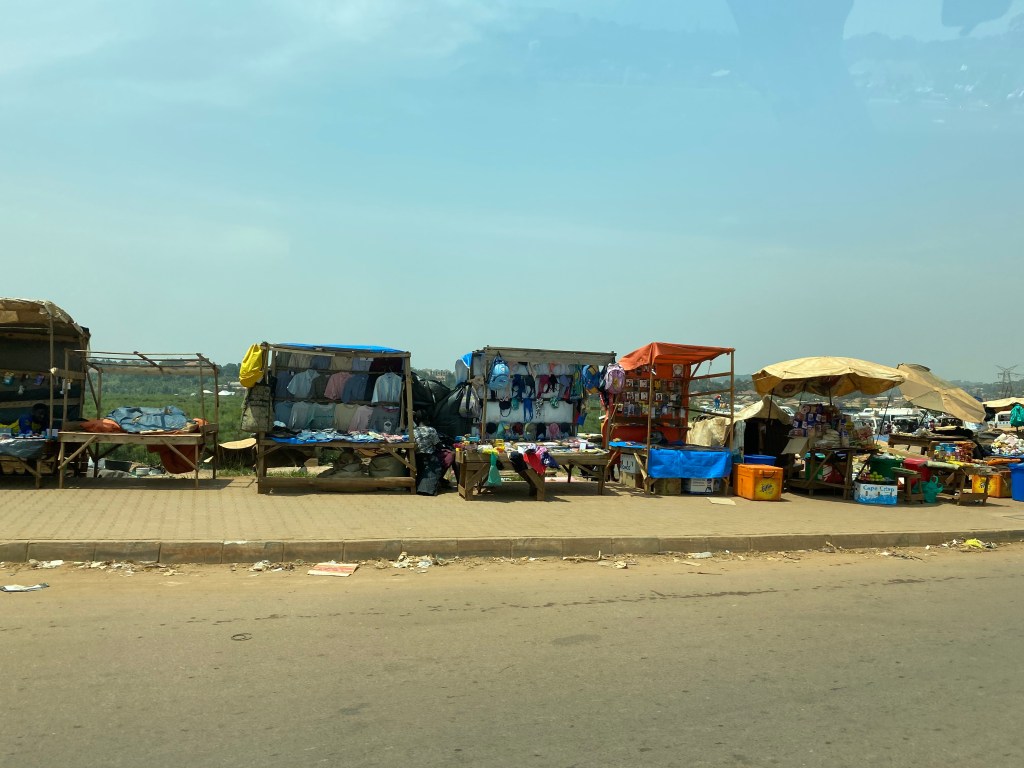
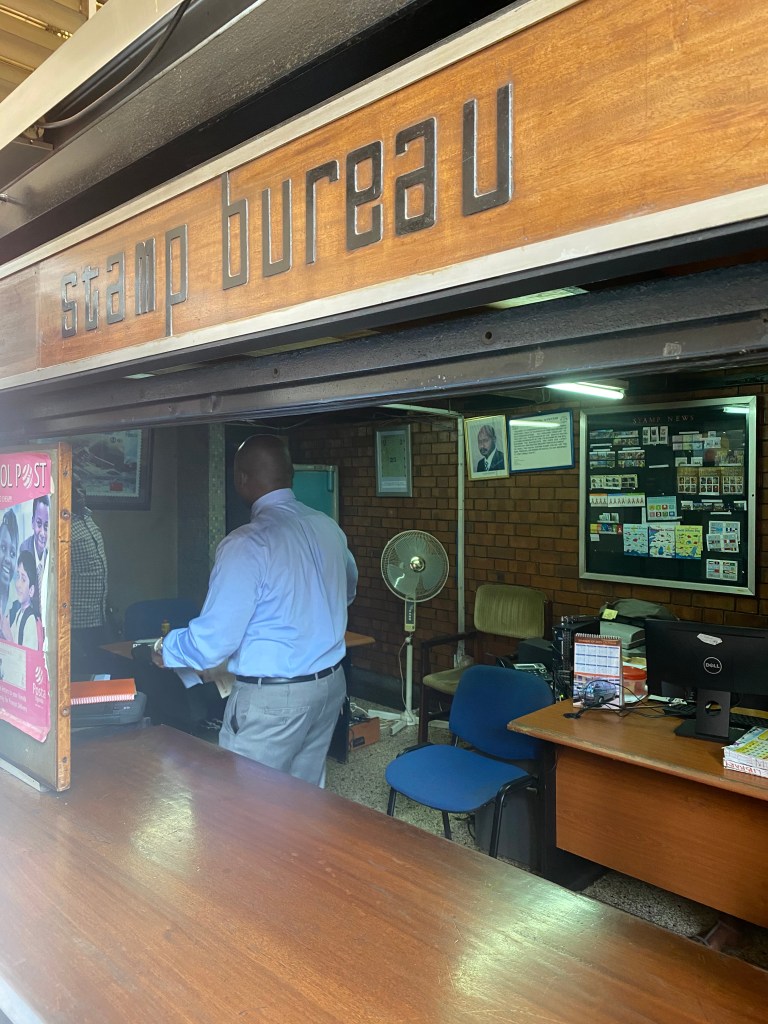
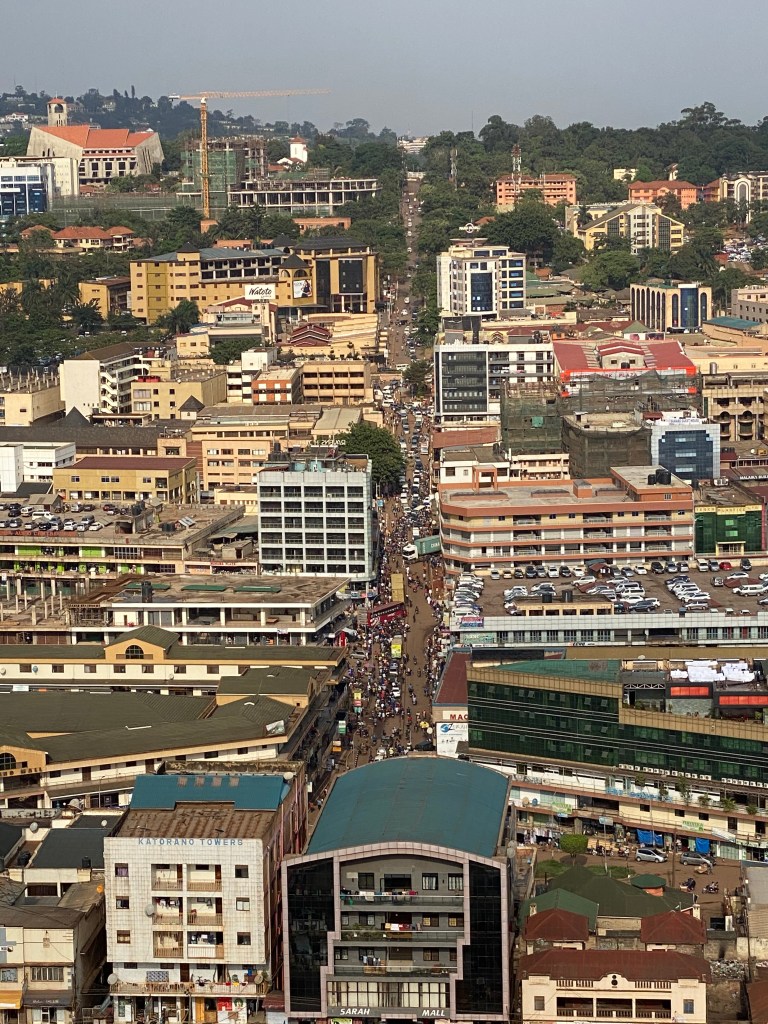
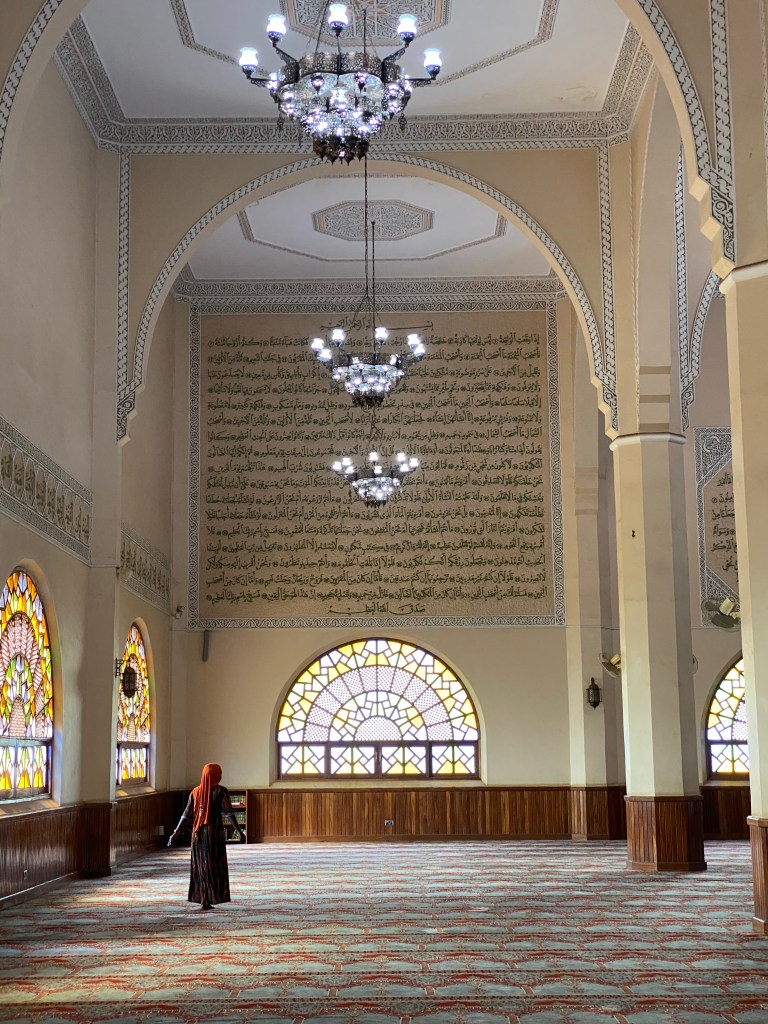
Back to Kampala and the comparison with Pretoria. Well, there are jacaranda trees around, the altitude is quite the same and hadeda ibis are flying off with there destinctive call. Traffic, however, is not comparable, the roads are narrow and blocked and it can take you 2 hours to travel the 4 km to the shopping mall. Nonetheless, we explored the city and saw the beautiful main mosque, I (Annelie) went shopping on the fabric and Owino Market (crazy, but cool!), we went to the main post office with its historic stamp office and to buy souvenirs in a couple of lovely small shops supporting local arts and crafts.
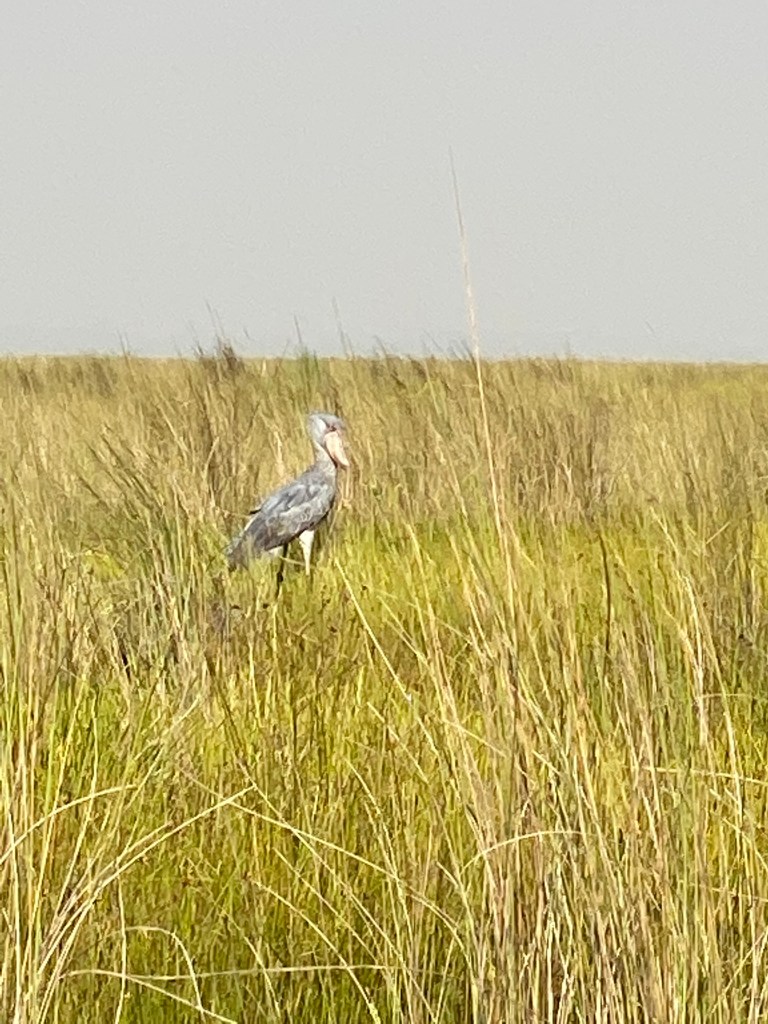
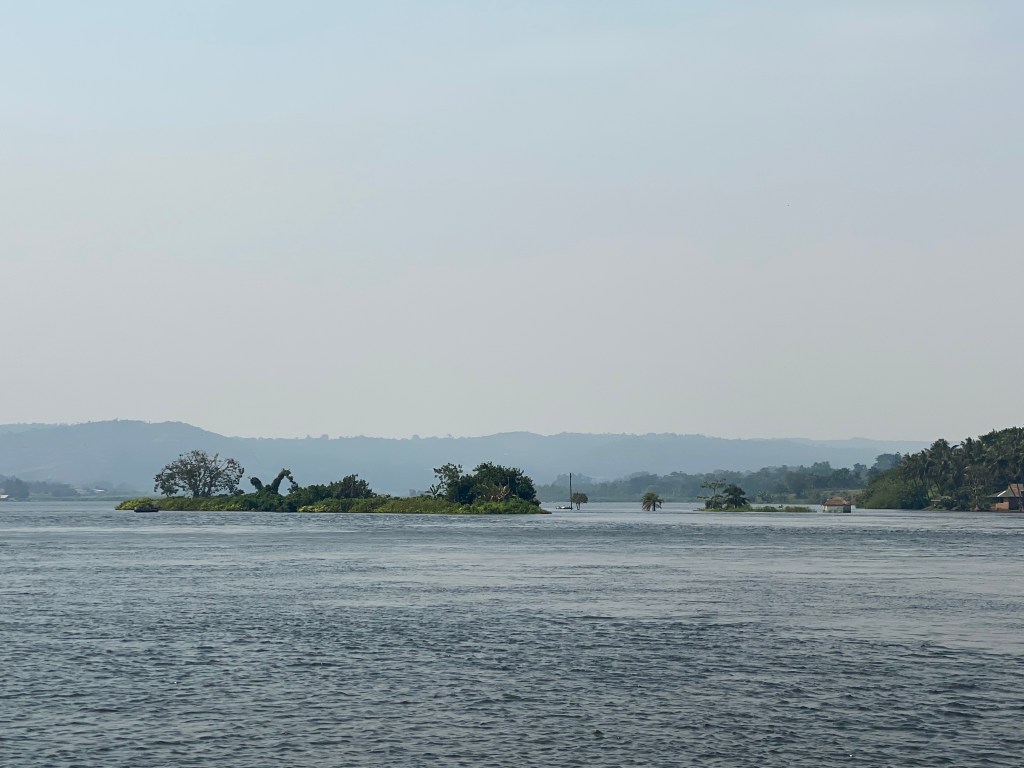
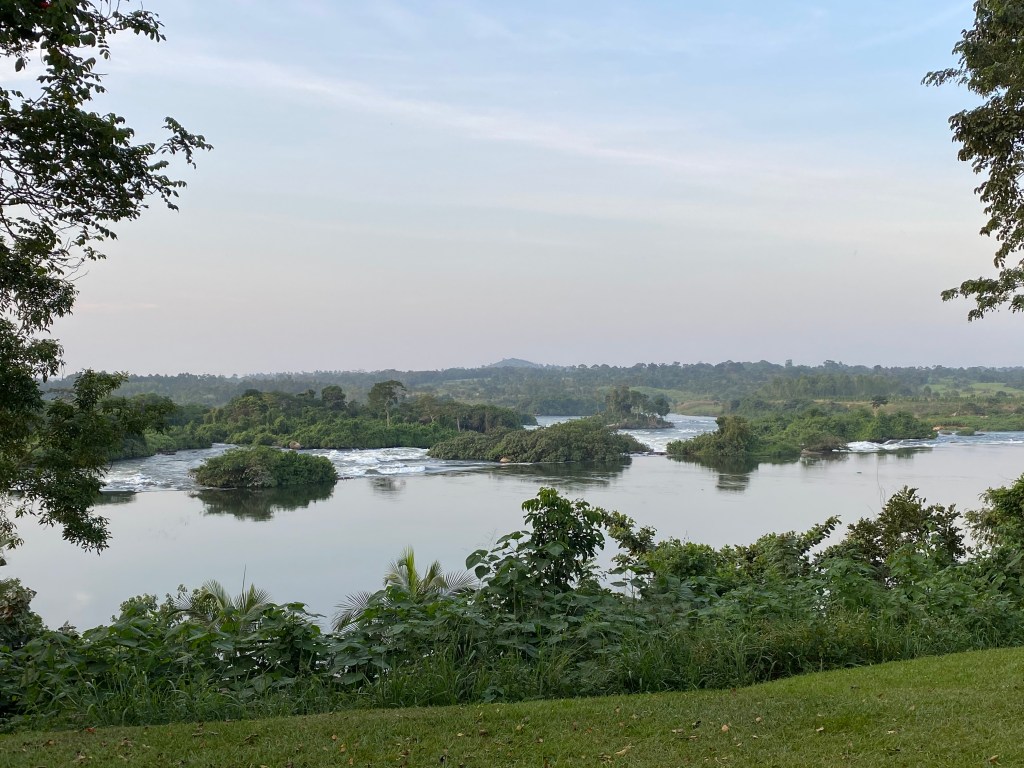
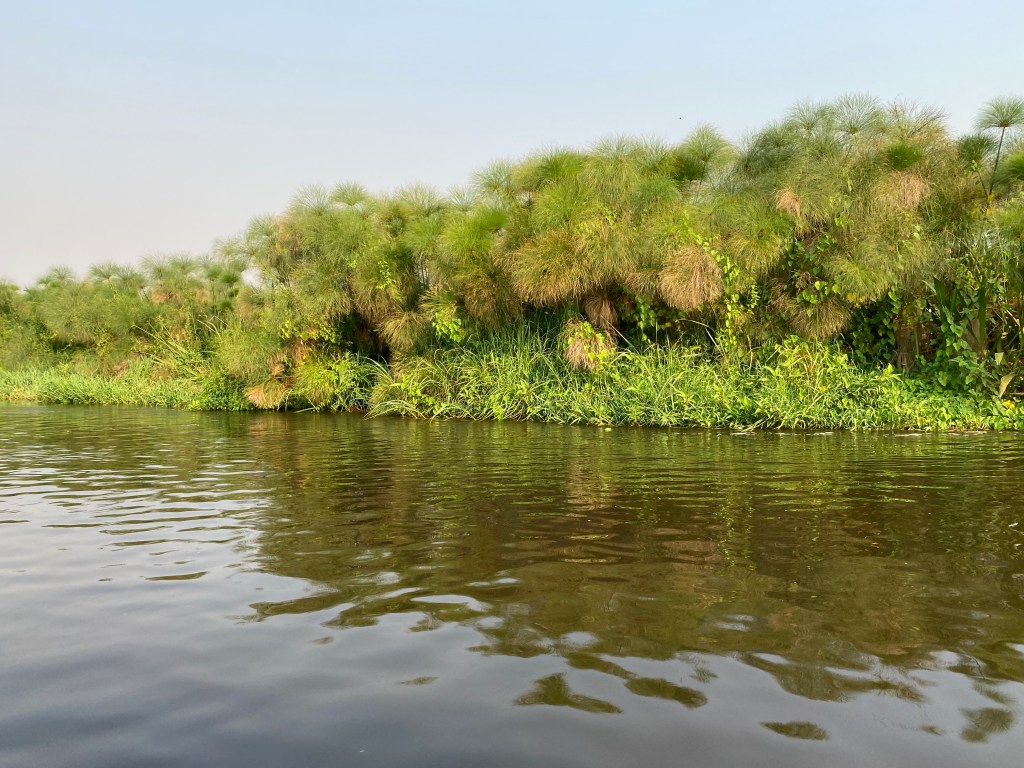
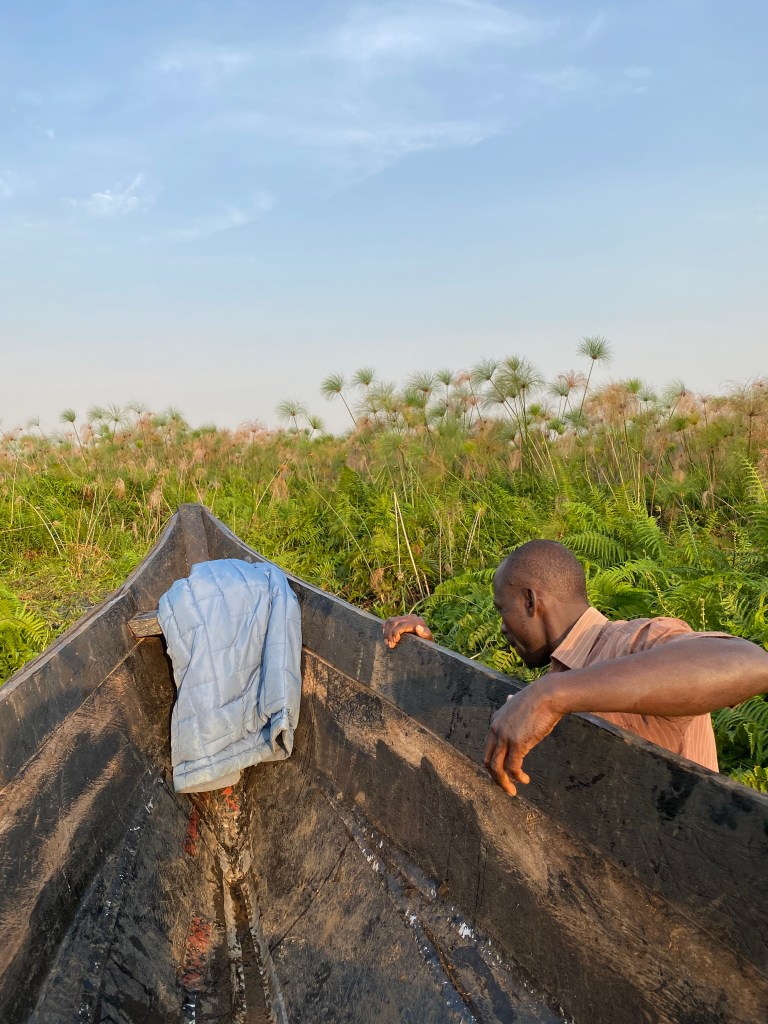
To round up our time in Uganda, we visited the Mawamba Swamps close to Entebbe in order to see the rare Shoebill bird (we did!) as well as the source of the Nile at Jinji (we came close enough!). We had to leave Kampala although we all felt that we could have spent a week more on the beautiful veranda and exploring the city, but the sight of a Shoebill confirmed the feeling that moving on is ok. And a drive further to the East got us back to the Nile (which we came across at Murchison Falls National Park) and its source at Lake Victoria. And yes, the Nile starts with the water from Lake Victoria at Jinja and flows through Uganda, South Sudan, Sudan, and Egypt to the Mediterranian sea – it takes three months to get to the delta near Alexandria!
Kenya is up next, and as we spoiled already, we made it through the border with different paperwork … we love Africa, because you can always always always make a plan!
/
In der Zwischenzeit haben wir Uganda überraschender Weise Richtung Kenia verlassen (war nie der Plan, da wir eigentlich nicht die richtigen Papiere für den Cruiser haben, die uns nach Kenia bringen könnten) und es bietet sich die Möglichkeit, Revue passieren zu lassen. Wir waren 24 Tage in Uganda unterwegs, der sogenannten Perle in Afrika.
Der Trip nach Uganda war vorrangig geplant, um sehr gute Freunde zu besuchen, die im März 2019 von Pretoria nach Kampala gezogen sind. Und wir haben uns natürlich gefragt, wie das Leben dort so ist weit weg vom schönen Pretoria? Wie wir jetzt wissen, ist es schon anders, aber manches ist auch sehr ähnlich. Aber später dazu mehr.
Bevor wir uns also nach Kampala aufmachten, haben wir uns die Highlights im Südwesten und Westen des Landes angeschaut und haben interessante Leute getroffen, haben direkt an der Grenze zum Kongo mit vielen schwer bewaffneten Militärs übernachtet (das die uns natürlich nur vor den gefährlichen Flusspferden bewachen wollen…) und einige Nationalparks angeschaut. So standen der Queen Elizabeth National Park, der Bwindi Bergregenwald Nationalpark sowie der Murchison Falls Nationalpark auf der Liste.
Zwischen den Parks sind wir durch wunderschöne Landschaften gefahren, an unendlichen Maisfeldern, Bananenplantagen und vielen vielen Menschen vorbei. Wir haben den Äquator überquert (waren wir damit offiziell im Winter?) und das war leider unspektakulär, da es das versprochene Monument gar nicht gab, nur ein einfaches Schild … aber wieder kam die Frage auf: nun sind wir so weit gekommen, warum fahren wir nicht einfach weiter nach Norden? ;-D
Einige Landesteile sind sehr fruchtbar und die landwirtschaftliche Produktion ist hoch. Nicht wirklich auf industriellem Niveau, sondern es leben dort vor allem Subsistenzbauern, die Mais und Bananen für den Eigengebrauch anpflanzen und ein bisschen davon auf dem Markt für ein kleines Einkommen verkaufen. Eine Familie hat im Normalfall 10-15 Kinder. Der Durchschnitt in Uganda liegt bei 6,4 Kinder pro Frau, 50% der Bevölkerung sind jünger als 15 Jahre (die Zahlen haben wir von Wikipedia, basierend auf Daten von 2008-2012).
Wir fragen uns natürlich, wie Uganda eine nachhaltige Entwicklung gestalten kann – wie lange werden die Ressourcen reichen bei der rapide steigenden Bevölkerung?
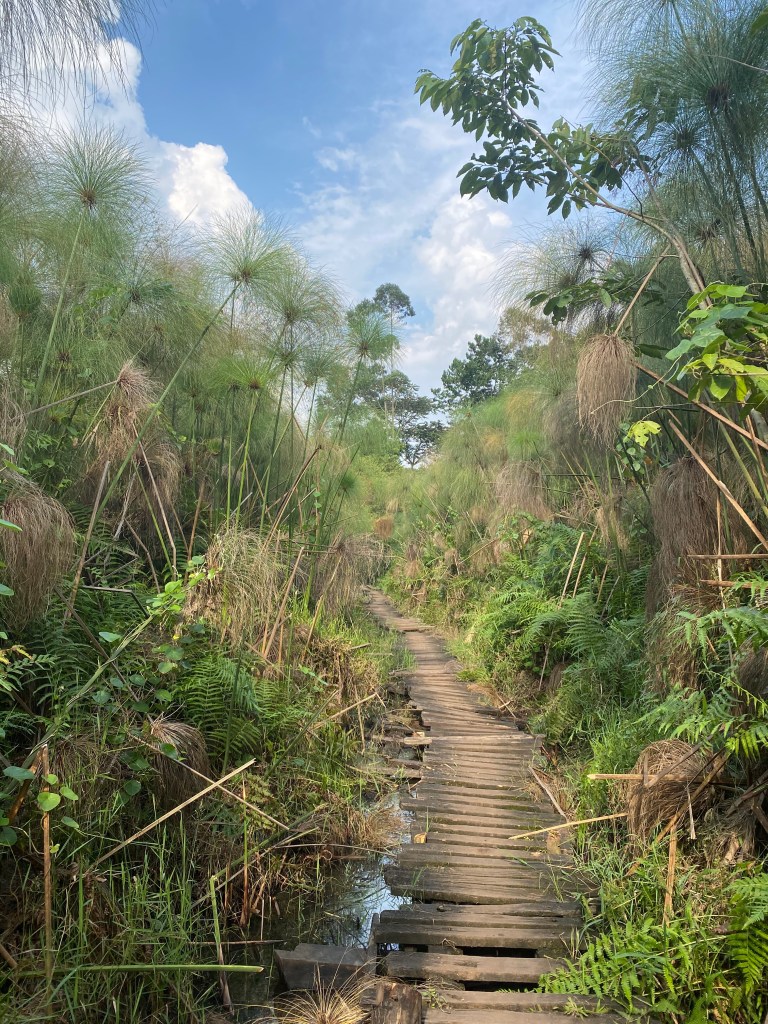
Uganda ist sehr vielfältig. Wir haben Vulkane gesehen (teilweise noch aktiv), viele verschiedene Landschaften, sehr viele gute, aber auch einige schlechte Straßen, 4G Internet Zugang fast überall, viele Fahrschulen, sehr sehr schnelle Überlandbusse (nicht in den Weg stellen, die Fahrer kennen keine Gnade) sowie Boda Bodas, Motorrad-Taxis. Die App „Uber“ unterscheidet in Kampala zumindest zwischen den Autos und den Boda Bodas, aber da das nicht richtig sicher ist, haben wir darauf verzichtet. Und, weil es irgendwie schon ironisch ist, heißen sie „Safe Bodas“, „sichere“ Bodas.
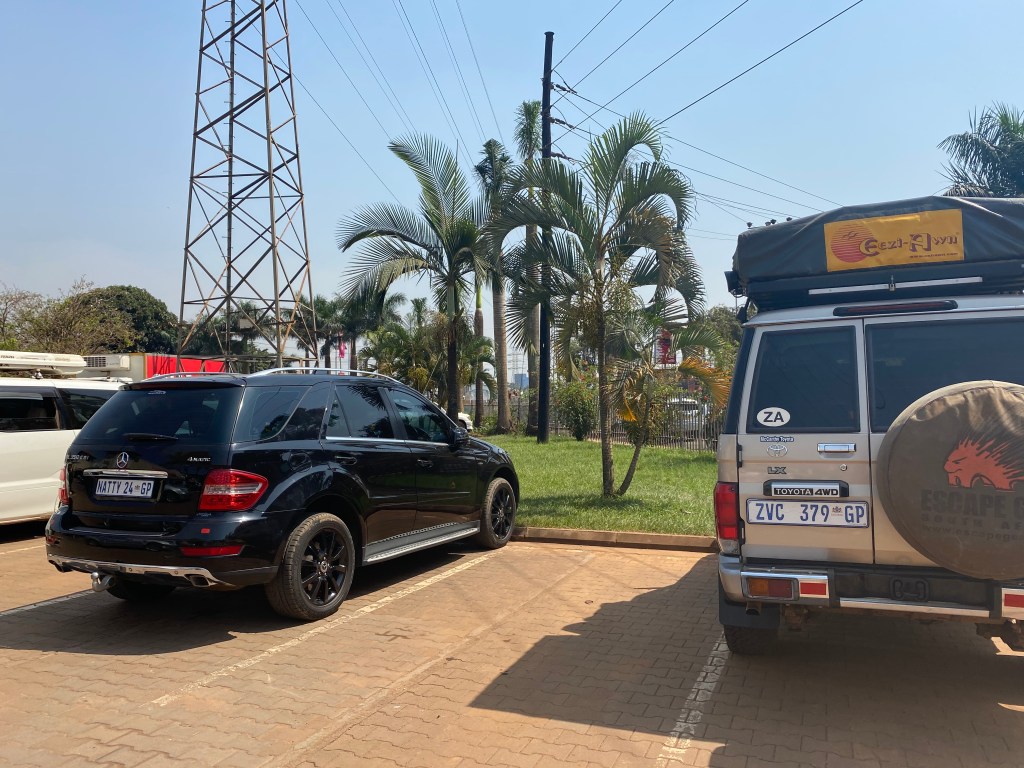
Die Nationalparks in Uganda sind nicht vergleichbar mit den Parks in Südfrika. Zum einen was die Tierdichte angeht, zum anderen, was die Eintrittspreise angeht. 70 US Dollar für eine Person für 24 Stunden ist keine Seltenheit (und man muss nachzahlen wenn man nicht rechtzeitig rausfährt …), für Autos mit ausländischem (im Fall des Cruisers südafrikanischen) Kennzeichen zahlt man noch einmal 50 US Dollar. Die Campingplätze waren zum Teil nicht-existent bzw. mit keiner brauchbaren Ausstattung, immerhin haben sie aber nur 5 US Dollar pro Person gekostet.
Der Murchison Falls Nationalpark befindet sich bereits in einem Wandel. Dort wurde das einzige Öl auf ugandischem Boden gefunden und die Bohrrechte an chinesische und französische Firmen verkauft. Das bringt viele Baustellen mit sich, Straßen werden gebaut, aber auch eine neue Brücke über den Nil. Der Park wird dann wahrscheinlich noch sein Hauptmerkmal behalten, die schmalen Murchison Wasserfälle, an denen sich der Nil sehr verengt und dadurch sehr viel Wasser auf einmal fällt. Aber Tiere werden nicht mehr wirklich übrig sein… Es stellt sich natürlich die Frage, warum man in 2020 immernoch Öl fördern muss…
Es gibt für uns überraschend sehr viele (auch sehr viele deutsche) Touristen in Uganda, die aber größtenteils in kleinen und großen Reisegruppen unterwegs sind. Wenn es Individualtouristen gibt, haben die meist ein Auto mit Fahrer gemietet und es kam bei der Polizeikontrolle einmal die Frage auf, warum wir keinen Fahrer hätten, das wäre für uns „günstiger“. Was auch immer das heißt … jedenfalls haben sie uns nicht so richtig geglaubt, dass wir den gesamten Weg aus Südafrika selbst gefahren sind.
Nun zurück zum Vergleich Pretoria/Kampala. Es gibt Jakaranda Bäume auch in Kampala, genauso wie die Höhe über dem Meeresspiegel fast gleich ist und die Hadida Ibise auch fliegen und den berühmten Schrei-Ton von sich geben. Was definitiv anders ist, ist die Verkehrslage. Viele enge Straße, die oft verstopft sind, sind die Regel. Man kann auch schon einmal 2 Stunden für die 4km zur Shopping Mall brauchen haben wir gehört. Nichtsdestotrotz haben wir uns die Stadt angeschaut, häufig per Uber/Taxi. So z.B. die Moschee mit tollem Blick vom Minarett über die gesamte Stadt mit den 7 Hügeln. Ich (Annelie) war auf dem Stoffmarkt sowie auf dem größten (und unübersichtlichsten) Markt Ugandas, dem Owino. Ein Ausflug ging zur Hauptpost, die ein sehr schönes historisches Briefmarkenbüro hatte sowie zu kleinen Läden, die lokales Kunsthandwerk als Souvenirs anbieten.

Um unser Sightseeing in Uganda zu vervollständigen, sind wir von Kampala losgefahren in die bei Entebbe gelegenen Mawamba Sümpfe, dort haben wir endlich den Schuhschnabel gesehen 🙂 Und dann ging es nach Osten in Richtung Nil nach Jinja. In Jinja selbst fängt der Nil an, er fließt praktisch aus dem Lake Victoria heraus durch Uganda, Südsudan, Sudan und Äqypten und dann ins Mittelmeer. Das Wasser braucht wohl ca. 3 Monate bis zum Delta am Mittelmeer!
Der nächste Stopp wird Kenia sein, und da wir es schon verraten haben, sind wir wirklich über die Grenze gekommen! Wir lieben Afrika, vor allem weil man immer eine Alternative findet. Immer.
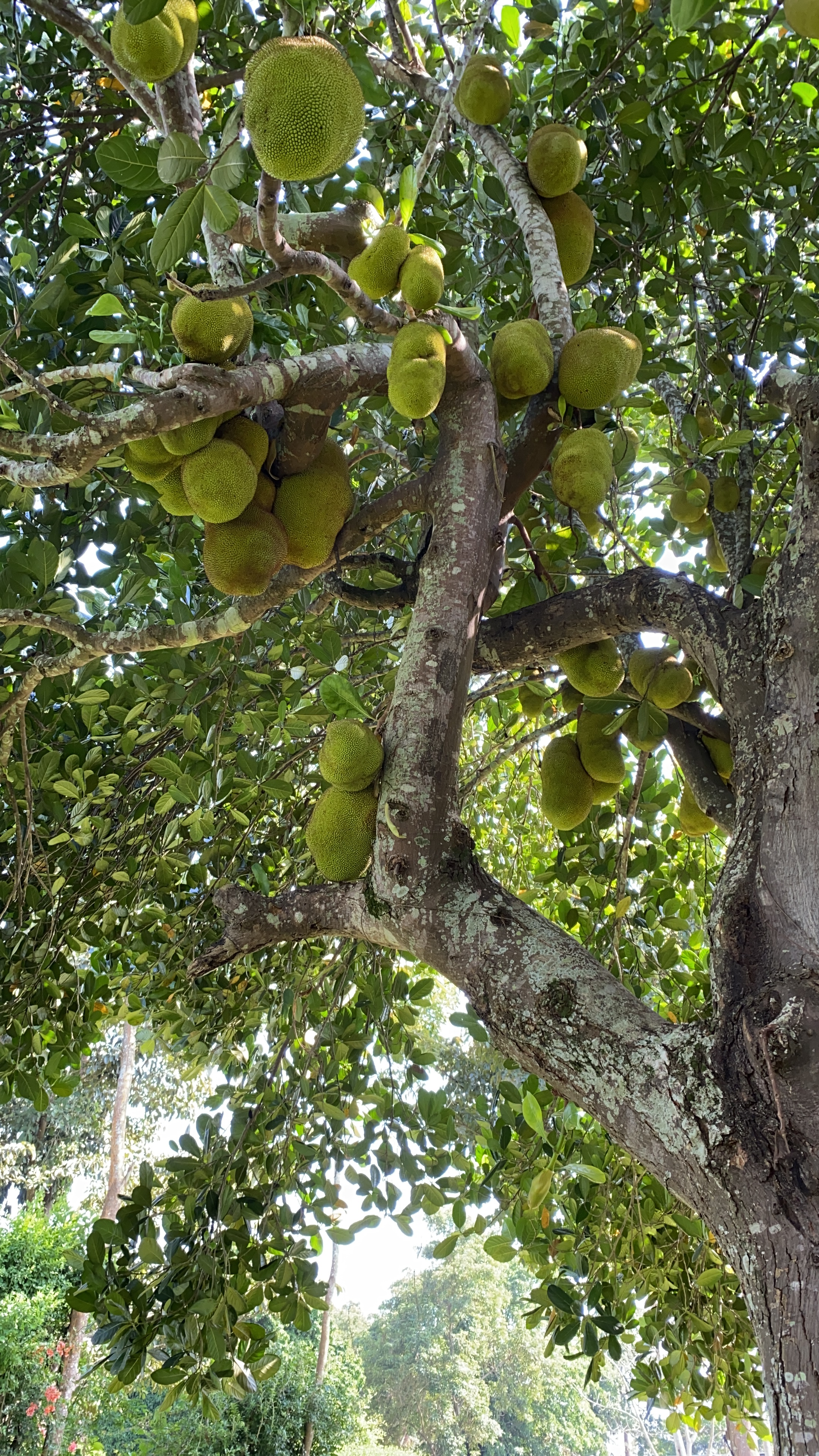
Jak Fruit on trees 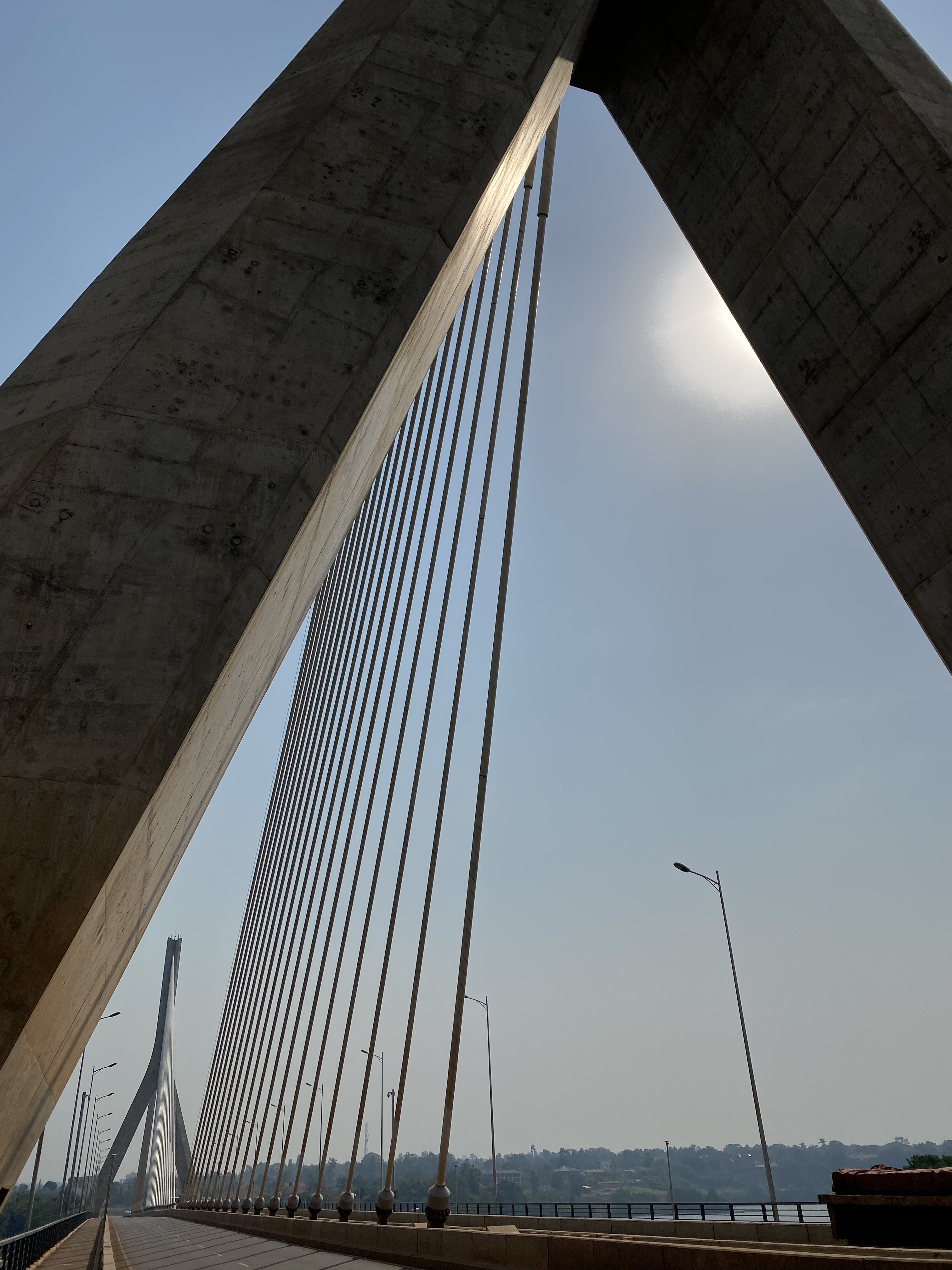
Source of the Nile Bridge 
Shiebill 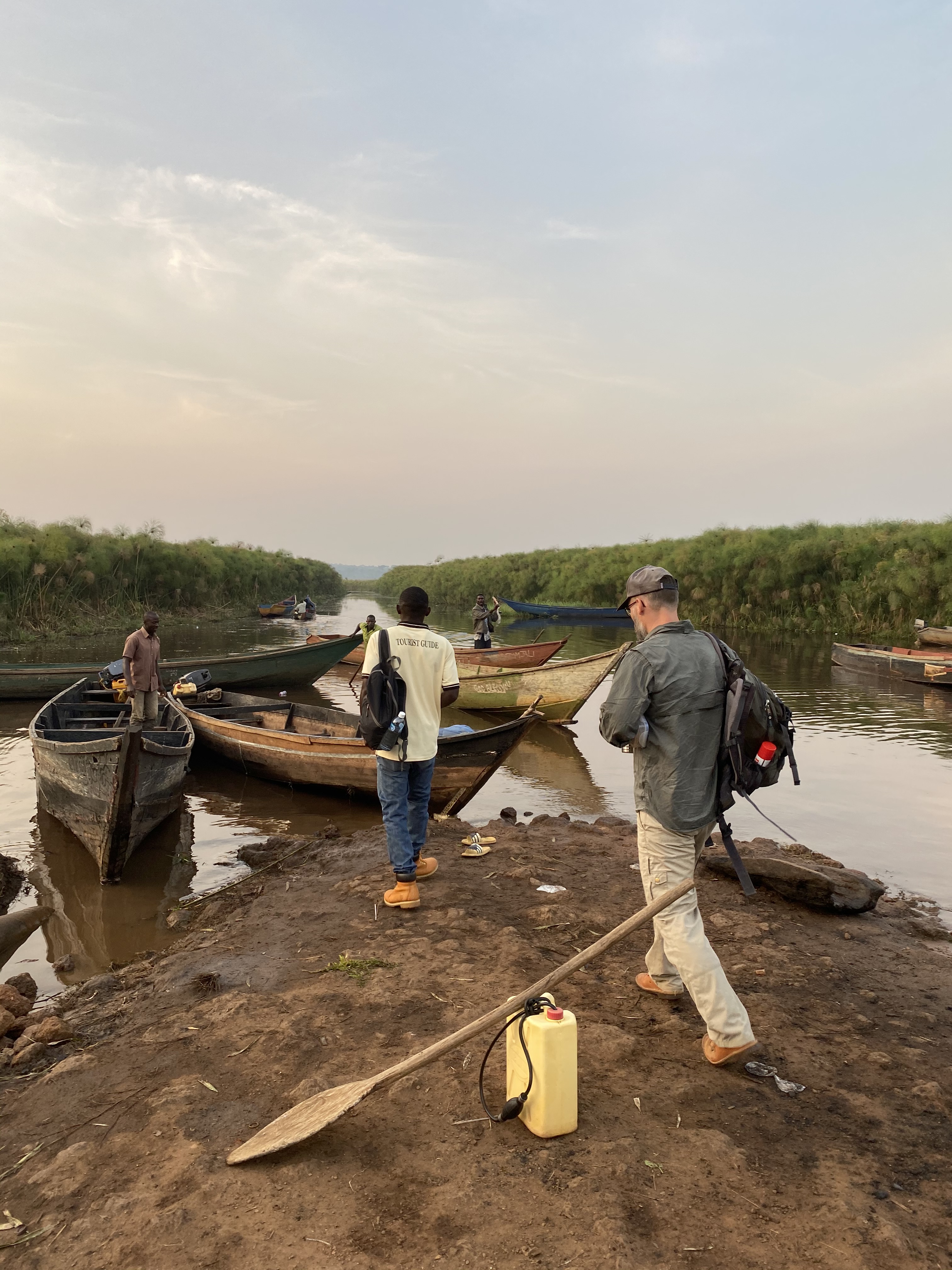
On the way to the boat cruise 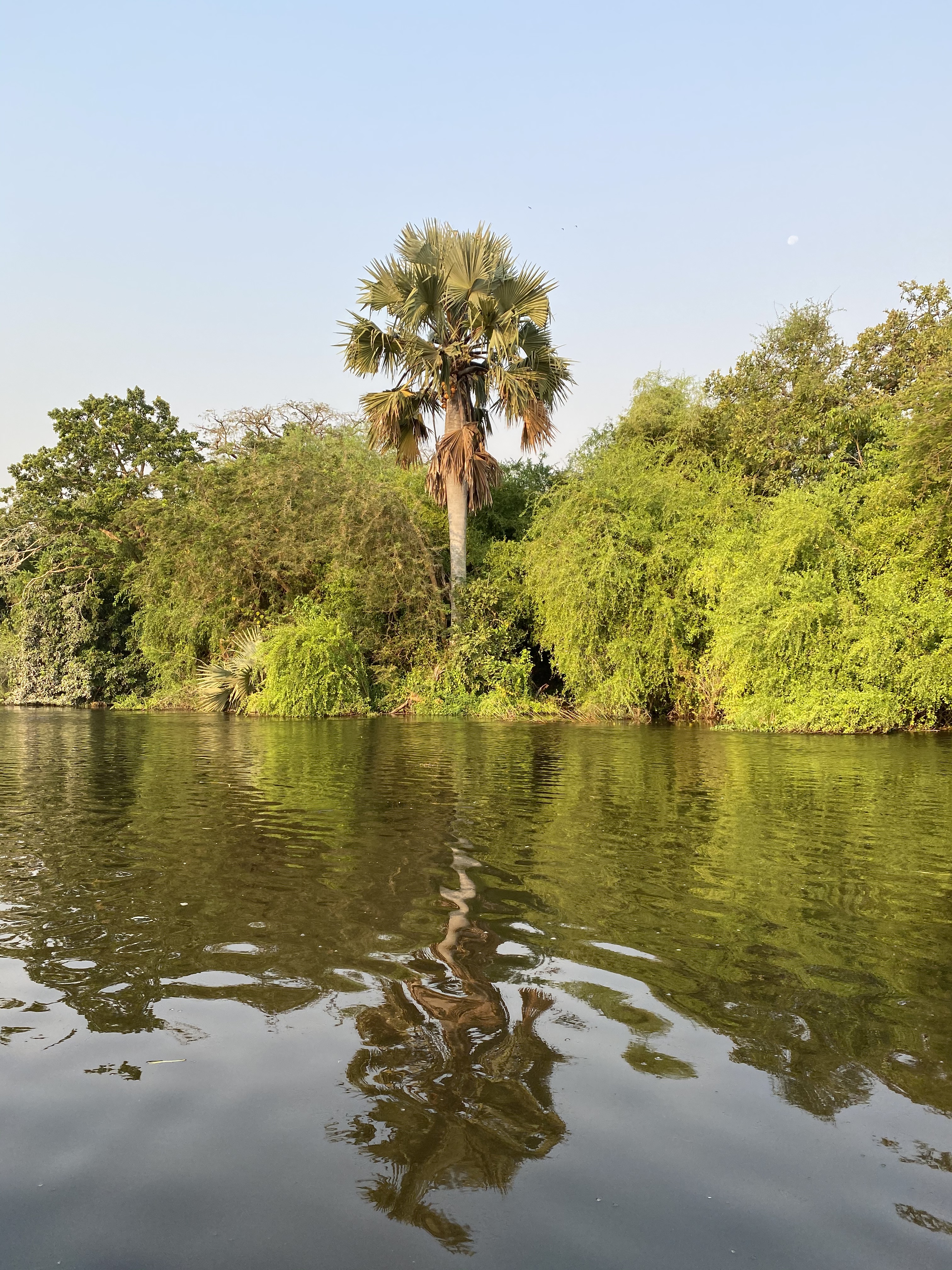
Victoria Nile 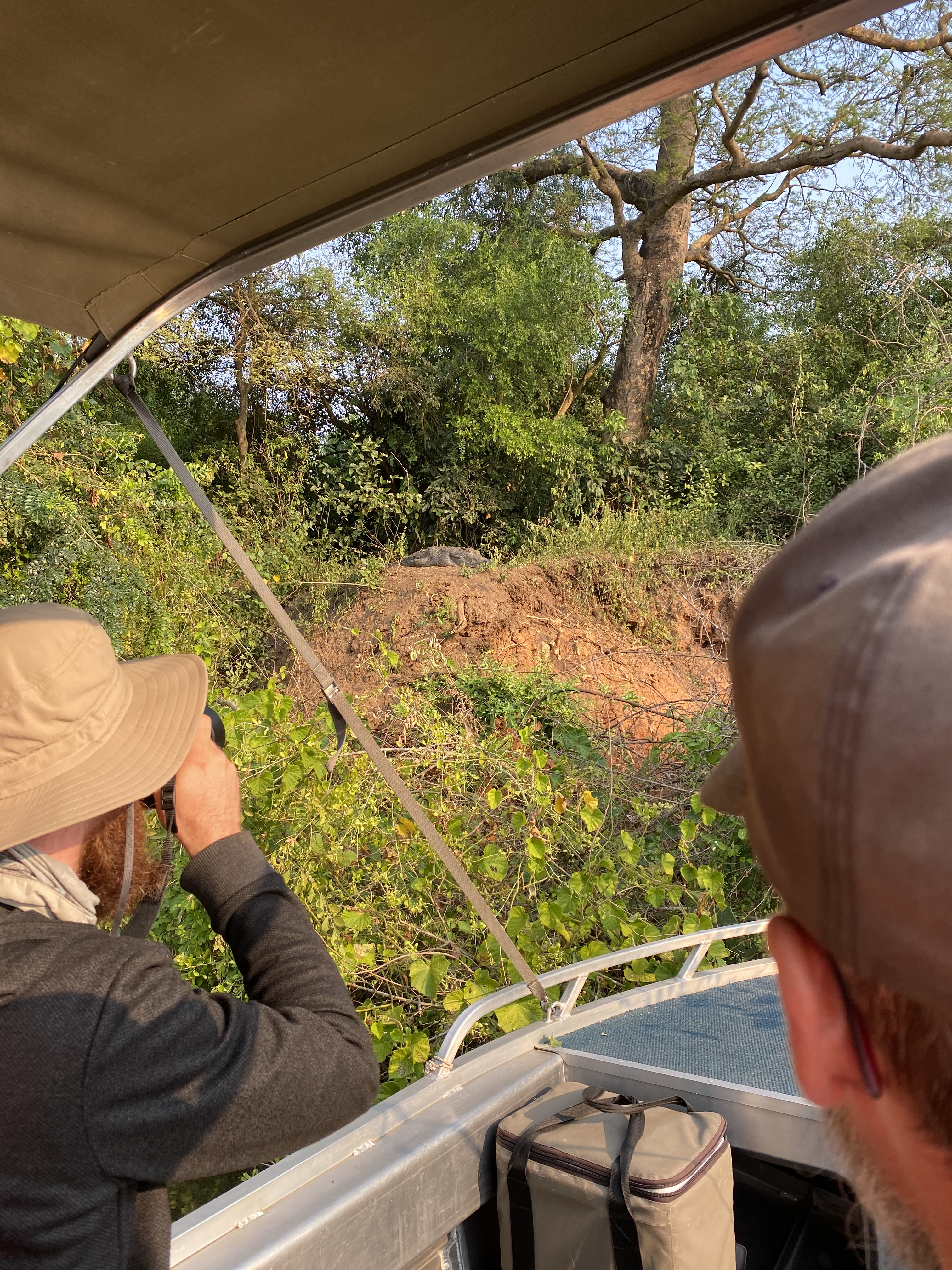
Croc on the riverbank 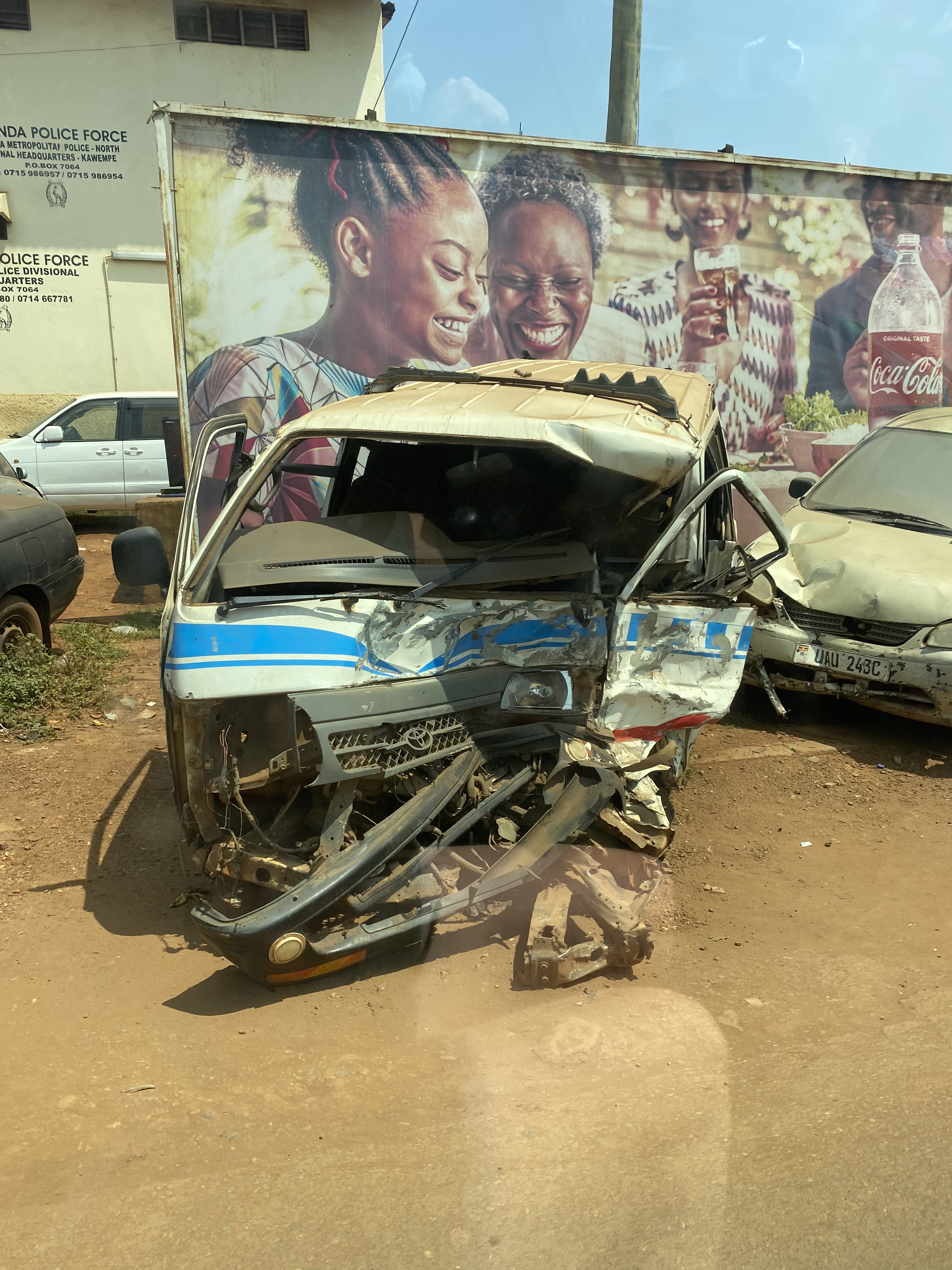
No comment 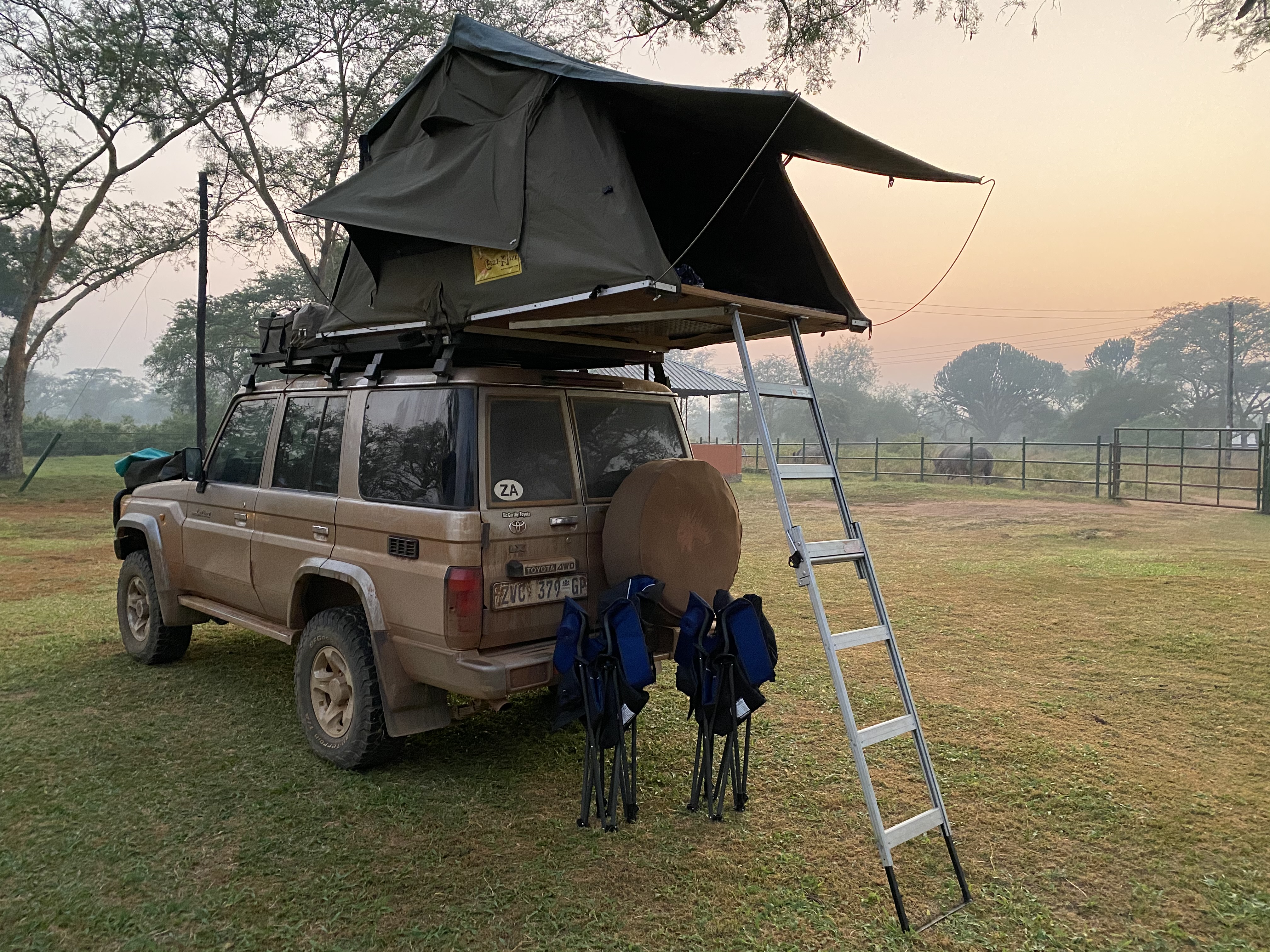
The Cruiser and the rhino
 Cruiser Diaries